


Understanding the Difference Between Bulging and Herniated Discs
Back or neck pain can make everyday activities more difficult, especially when symptoms begin to radiate into the arms or legs. Many patients who receive imaging results are surprised to learn they have a bulging disc or a herniated disc, but they are often unsure what those terms actually mean or whether one condition is more serious than the other.
While bulging and herniated discs are related conditions, they are not exactly the same. Understanding the differences can help patients make informed decisions about treatment and recovery. At Physical Healthcare of Jacksonville, we help patients identify the source of their symptoms and create personalized treatment plans to reduce pain, improve mobility, and support spinal health. We'll explain the key differences between herniated and bulging discs, their common symptoms, and available treatment options.
Disclaimer: This article is for informational purposes only and is not intended as medical advice. If you are experiencing symptoms after a car accident, consult a qualified healthcare professional.
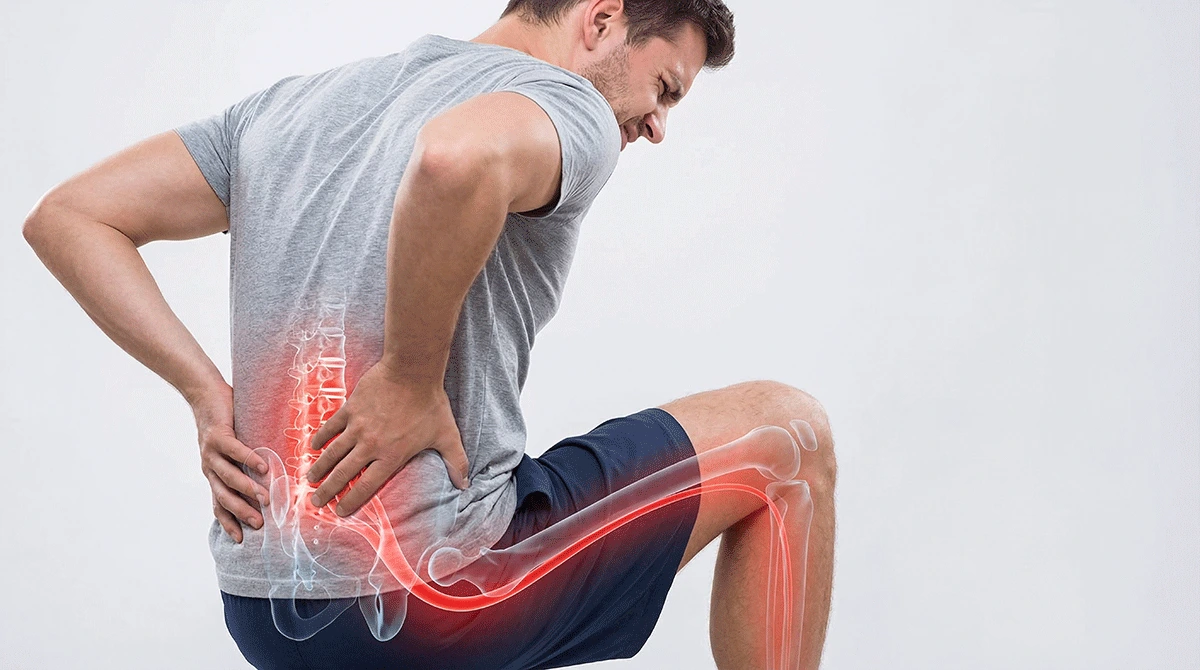
What Is the Difference Between a Herniated Disc and a Bulging Disc?
One of the most common questions patients ask is whether a bulging disc and a herniated disc are the same condition. The short answer is no, although both involve changes to a spinal disc.
A bulging disc occurs when a spinal disc (the cushion-like structure that sits between the bones of the spine) extends beyond its normal boundaries but remains intact. The disc may push outward and irritate nearby nerves, potentially causing pain, numbness, or other symptoms.
A herniated disc occurs when a tear or weakness develops in the tough outer layer, allowing some of the disc's inner material to push outward. Because this material can come into direct contact with spinal nerves, herniated discs are often more likely to produce symptoms such as sharp or burning pain, numbness, tingling, or muscle weakness.
Quick Comparison: Bulging Disc vs. Herniated Disc
| Bulging Disc | Herniated Disc |
|---|---|
| Outer layer remains intact | Outer layer develops a tear or rupture |
| Disc extends outward evenly | Inner material pushes through a weakened area |
| May or may not cause symptoms | More likely to irritate spinal nerves |
| Often associated with disc degeneration | May result from degeneration, injury, or strain |
| Can cause nerve compression in some cases | Often associated with nerve root irritation |
What Causes Bulging and Herniated Discs?
Both conditions often develop as part of the natural aging process. Over time, spinal discs lose hydration and flexibility, making them more vulnerable to disc degeneration and structural changes. This process may contribute to both bulging discs and disc herniation.
Other factors can increase the risk of developing these conditions. Repetitive lifting, poor posture, physically demanding work, previous injuries, excess weight, and smoking may place additional stress on the spinal column. Sudden movements or traumatic events can also contribute to a ruptured disc or worsening symptoms.
Signs, Symptoms, and Functional Impact
Not every bulging or herniated disc causes symptoms. In some cases, individuals may have disc changes visible on imaging without experiencing any pain at all. Symptoms typically develop when the disc places pressure on surrounding nerves or spinal nerve roots.
Patients may experience:
- Back pain or neck pain
- Sharp or burning pain
- Numbness or tingling
- Muscle weakness
- Leg pain that travels down the sciatic nerve
- Reduced mobility
- Difficulty sitting, standing, or walking comfortably
The location of the affected disc often determines where symptoms occur. A lumbar disc herniation may cause lower back pain and leg symptoms, while issues in the cervical spine can contribute to neck pain, shoulder discomfort, or symptoms radiating into the arms.
Why Herniated Discs Often Cause More Symptoms
Although a bulging disc can create nerve compression, herniated discs are often more symptomatic because the disc material extends beyond the protective outer layer. This can increase irritation around nearby nerves and spinal nerve roots.
When nerve pressure develops, patients may experience more significant pain, numbness, tingling, or weakness. In severe cases, nerve involvement may affect muscle function and daily activities. Symptoms may fluctuate over time, becoming worse with certain movements or prolonged positions.
Treatment Options for Bulging and Herniated Discs
Treatment depends on the severity of symptoms, the location of the disc injury, and the degree of nerve involvement. Many patients find relief through conservative treatments and may not require surgery.
The primary goals of treatment are to:
- Reduce pain and inflammation
- Improve mobility and function
- Relieve pressure on affected nerves
- Support the body's natural healing process
Because every case is different, treatment plans are typically tailored to each patient's symptoms, condition, and functional limitations.
Initial recommendations may include:
- Activity modification
- Anti-inflammatory medications
- Pain-relief medications
- Muscle relaxants prescribed by a medical provider
Non-surgical therapies are often a key part of long-term management and recovery.
How Conservative Care May Help
Physical therapy is commonly recommended for patients with bulging or herniated discs. A physical therapist may use exercises and movement strategies designed to improve flexibility, strengthen supporting muscles, and restore function throughout the spine.
Chiropractic care may also help address joint restrictions, postural imbalances, and movement dysfunction that can contribute to ongoing discomfort. Depending on the patient's condition, treatment may focus on improving spinal mechanics and reducing stress on affected tissues.
Many patients also benefit from supportive therapies aimed at reducing muscle tension, improving circulation, and promoting mobility. The goal is to help patients return to daily activities while minimizing strain on the affected area.
When Is Surgery Considered?
Most disc-related conditions do not require surgery. However, surgical treatment may be considered when symptoms persist despite conservative care or when significant nerve compression creates progressive weakness or functional limitations.
Certain symptoms require immediate medical attention. Loss of bladder function, loss of bowel control, or rapidly worsening leg weakness may indicate a serious neurological condition that requires emergency surgery. These situations are uncommon but should never be ignored.
What to Expect During Care
The first step is a comprehensive evaluation that includes a review of symptoms, medical history, and physical function. Providers often assess mobility, strength, posture, reflexes, and signs of nerve involvement to better understand the source of symptoms.
Depending on the findings, additional imaging or diagnostic testing may be recommended. Once the condition has been evaluated, a personalized treatment plan is developed and adjusted over time based on the patient's response to care and recovery goals.
Is Professional Evaluation Right for You?
You may benefit from a professional evaluation if you:
- Have ongoing back or neck pain
- Experience numbness, tingling, or muscle weakness
- Notice leg pain that travels below the knee
- Have symptoms that interfere with daily activities
- Continue experiencing discomfort despite rest
- Want to understand whether a bulging or herniated disc may be contributing to your symptoms
A thorough assessment can help determine the source of your symptoms and identify treatment options that may be appropriate for your situation.
FAQs
A herniated disc is often more likely to irritate nearby nerves because the inner disc material extends beyond the outer layer. However, the severity of symptoms depends on the location of the disc and the amount of nerve involvement.
In some cases, yes. Ongoing disc degeneration or additional stress on the spine may contribute to progression from a bulging disc to a herniated disc.
Many patients improve with conservative treatments such as physical therapy, chiropractic care, and activity modification. Recovery varies depending on the individual and the severity of the condition.
Common signs include numbness, tingling, muscle weakness, burning pain, or symptoms that travel into the arms or legs. These symptoms may indicate irritation of nearby spinal nerves.
Diagnosis typically involves a physical examination, symptom review, and sometimes imaging studies such as MRI. The goal is to determine whether the disc is contributing to nerve compression or other functional issues.
You should seek evaluation if symptoms persist, worsen, or begin affecting your daily activities. Immediate medical attention is recommended for loss of bladder function, bowel control problems, or rapidly progressing weakness.
Learn More About Your Treatment Options
Disc-related conditions can be confusing, especially when symptoms affect your ability to work, exercise, or enjoy everyday activities. Understanding the difference between a bulging disc and a herniated disc is an important step toward identifying the most appropriate treatment approach.
At Physical Healthcare of Jacksonville, we provide comprehensive evaluations and personalized care plans for patients experiencing back pain, neck pain, and disc-related symptoms. If you are looking for answers about your condition or exploring non-surgical treatment options, we're here to help.
Schedule a consultation to discuss your condition and treatment options.


